


Hapoel HaEmek is without question one of the great basketball stories this season as they are near the top of the standings in the Israel Premier League. On the court, Head Coach Sharon Avrahami is doing a marvelous job of keeping his team together and extremely competitive while off the court the club has taken steps in furthering their mission to represent a very special area of the country in the Lower Galilee.
Over the course of the offseason, Hapoel Gilboa Galil merged with Hapoel Afula and rebranded as Hapoel HaEmek as a new CEO was appointed to take over the reins in order to advance the franchise’s special mission.
Enter Michal Verdiger.
Verdiger who lives in Binyamina is making an impact in an industry that primarily dominated by males in management positions, however, very quickly she is becoming a trendsetter when she took over as the Chief Executive Officer of the basketball club.
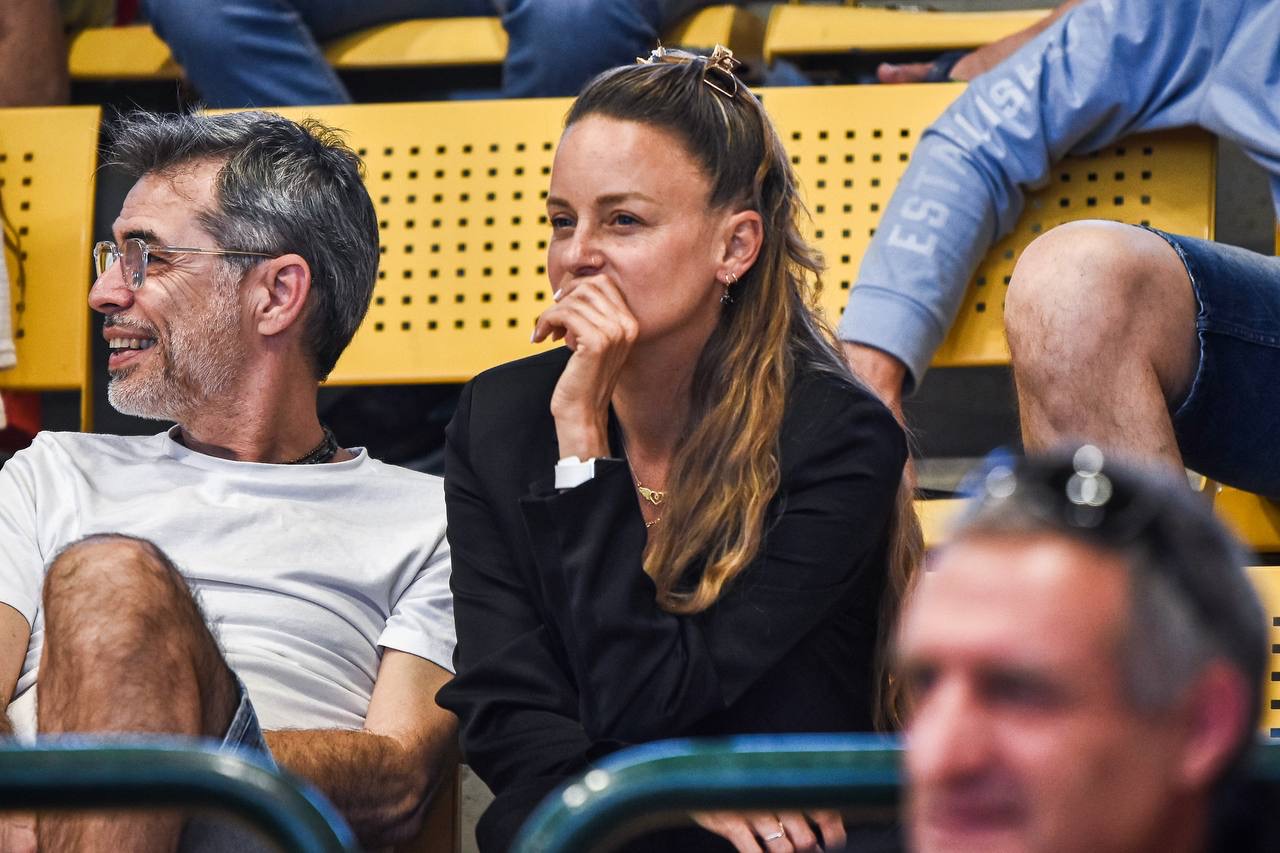
Photo credit: Yehuda Halickman
The Sports Rabbi has the honor and privilege to sit down for a few minutes with Verdiger to hear about how her first season is coming along, what makes the club unique and along with some of the challenges along the way.
“First of all, it was a very exciting season and exceptional in many, many ways,” Verdiger began. “Nothing about it has been boring or trivial. Two weeks after I stepped into the role, the war broke out and we started the season amid the whole controversy around the name, which was very controversial. But, thank God, from a sporting perspective, it has been a season that has gone very well. Then came the war, and there wasn’t a single moment that one could say has been calm. I was told when I began that in basketball there’s no real moments of calm anyway, so this year has proved that point more than ever.”
There has always been something very special about the region that HaEmek represents and while it resides in Gan Ner, that is only one small piece of the pie.
“Gan Ner is something small, but Hapoel HaEmek represents a region that is huge and very meaningful for the Land of Israel and that’s the reason I came here to this role. I didn’t come just for basketball, I came with the desire to create a social, Israeli, regional connection, with basketball as its central gathering point. My motivation is exactly that: how do you create a very, very strong sense of belonging through a shared experience, in this case, sports and basketball. That’s what attracted me from the beginning. That was also Gilboa Galil, but here in Hapoel HaEmek it became even more central and the regional aspirations became a major part of our story.”
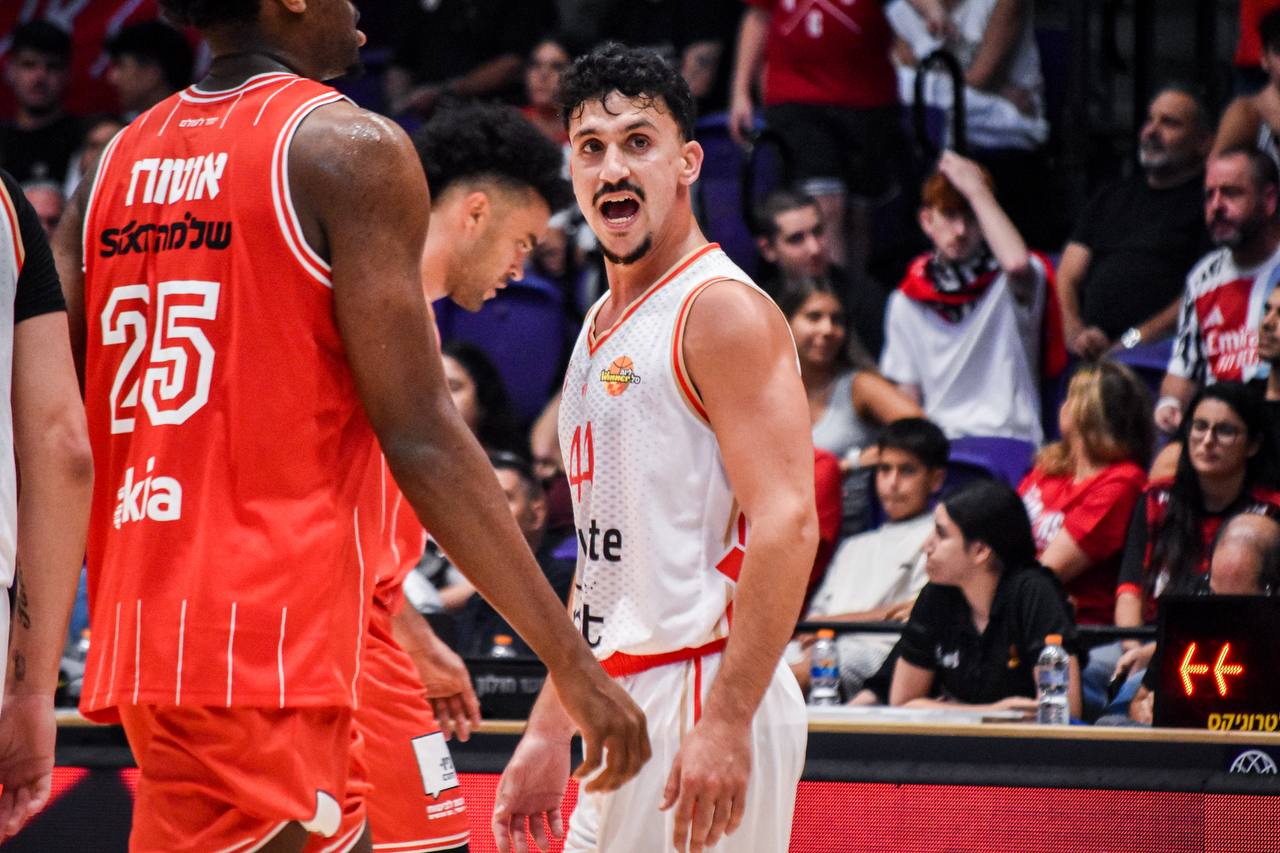
Niv Misgav – Photo Credit: Yehuda Halickman
There are a number of stars on this year’s squad including Israelis and imports from Niv Misgav to Kyler Edwards which makes for an extremely strong roster, especially one for a team that is not located in the country’s center. As Verdiger explains, the area that they are in should not be looked at as the outskirts, but a wonderful piece of the land in every sense of the word.
“First of all, Gideon Yadin, the owner, doesn’t see us as a “periphery” team in the deeper sense of the word. This is a beautiful region, full of opportunities and there’s no mindset of being underdogs, we don’t see ourselves that way. Because of its professional management, the club puts a strong emphasis on the professional side. Anyone who wants to focus on basketball gets excellent conditions here to do so, precisely because we’re not in the center.
“There are fewer distractions, the professional focus is very high, the competitiveness is very strong, and the desire to make history is very present. I think players see this as an opportunity, and there’s a dynamic, internally and externally, that’s perceived as healthy, something that truly focuses on the main thing, which for the players is basketball.”
HaEmek has perhaps one of the top coaches in the country in Sharon Avrahami who has many, many years of experience. Avrahami has been able to help build up the club and create something very special that speaks volumes of what a bench boss should be Verdiger explained.
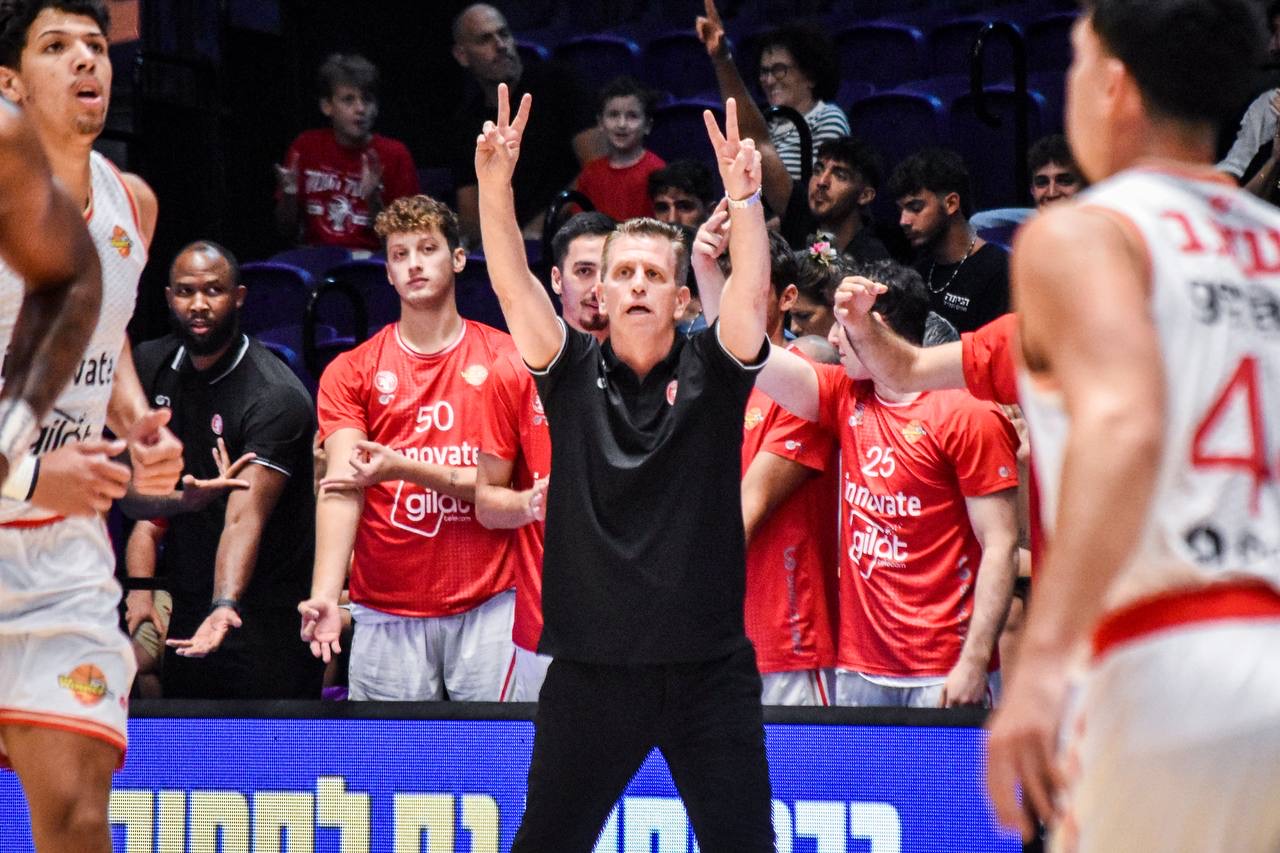
Sharon Avrahami – Photo credit: Yehuda Halickman
“First of all, Sharon is truly something special, in fact, exceptional. In many ways, he is the face of this club and it’s a great fit because the values align. Before signing with Gilboa, Sharon had other offers, but he’s from the region, his wife is from Nir David, he founded and managed Emek Yizrael, so he is very much at home here. The club is also his home.
“He’s also someone who thinks long-term, someone with roots. That matches our club very well. Now, with his three-year contract, the ability to build stability in a season where six coaches were fired, to be the first to declare a three-year commitment, is part of the DNA and dynamic this club is trying to create.
Currently, HaEmek is one of the best teams in the country ahead of Hapoel Jerusalem who have Euroleague aspirations and Hapoel Holon, a regular in the Basketball Champions League. This says a tremendous amount as to what the club has been able to do this season after having struggled in the recent past, but there is also a sense of reality as well.
“I learn humility every day from the staff I work with,” Verdiger said. “I know that where you are today isn’t necessarily where you’ll be tomorrow. A year ago, I was sitting here in Ness Ziona when we were in a very different place in the standings, genuinely afraid of relegation. I do think there’s a DNA here, partly from the region. Some are farmers and someone like me who comes from an educational background, it’s a group of hard workers.
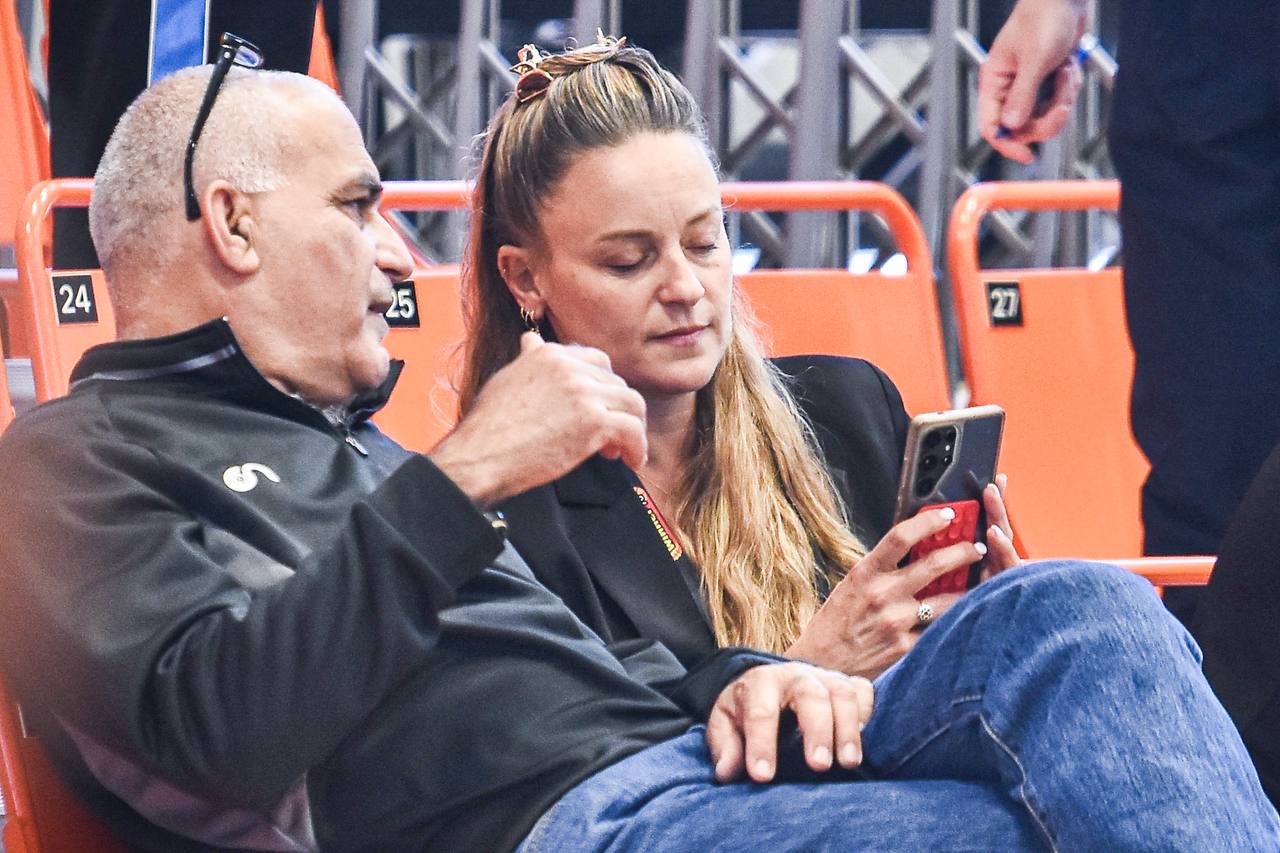
Michal Verdiger – Photo credit: Yehuda Halickman
“There’s no talk of star culture here. There are very high expectations and a very demanding work ethic. That’s how it looks, and that’s how it operates. This season is the result of work, basketball work, connection-building and also work by Gideon, the owner, especially in bringing foreign players back to Israel and managing that process. There’s a certain method and system here and so far this year it’s working in our favor. But we say cautiously, we know nothing lasts forever.”
Verdiger’s career path to the baseball world has been an interesting one to say the least as she enters an arena where she is in the minority as a woman as the sport is male dominated. However, Verdiger has years of experience that has helped her along the way to make sure that she is up for the challenge.
“I’d say I’m adventurous in my career path. I really like entering a new field, learning it, starting as an outsider and then going deeper inside. That’s been a pattern for me in recent years. I’m very mission-driven in the community sense. I deeply believe in the power of community and also in its limits, but it’s something that can lift you in hard moments and provide escape in difficult times. I also strongly believe in the local aspect. I joke about their local identity because mine comes from somewhere else, but I’m very local at heart.
“I understand regional pride. I’m very self-taught, so learning new fields by diving into them is something I really enjoy. I’ve had the privilege of working with amazing people. Many people prepared me for a very tough environment, but the widest hearts and most open arms I’ve encountered have actually been in the basketball world, that was a wonderful surprise. People are very thoughtful and also appreciate the external perspective I bring, so I think that’s part of where I come from and it’s given a lot of space here, which makes me very happy.”
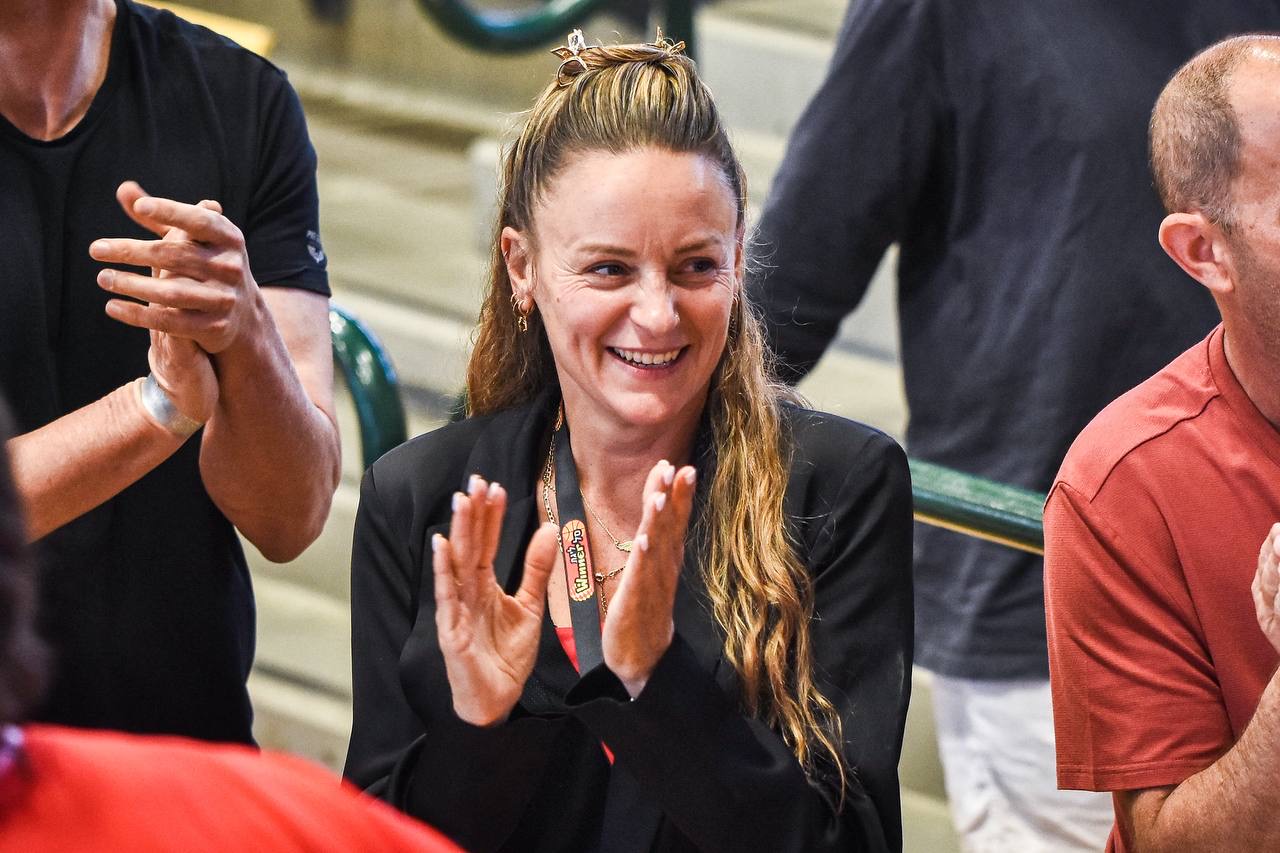
Michal Verdiger – Photo credit: Yehuda Halickman
As for Verdiger’s biggest dream, she intertwines basketball with the country and where we are going as a people.
“Wow… “biggest” is a bit far for me, but in the basketball world, my biggest dream is to influence the audience in Israel not just in the valley. It bothers me to see empty arenas outside of the big clubs. I think the country invests a lot in sports, but not enough in building audiences. That’s a revolution that needs to happen here.
“Whether it’s the Ministry of Culture and Sports, the league, the federation, how do we battle to fill every empty seat. Not just in Gan Ner, but also in Beer Sheva and Nes Ziona. Filling arenas feels like a key mission for this sport in the short term. In the long term, my biggest dream is optimism in Israel. To bring back optimism.”
0 Comments